All Categories
Featured

Building Smart Infrastructure for Future Scale
Table of Contents
Deloitte highlights a significant gap between pilot and production: just 11% of surveyed organizations utilize representatives in production, and 35% report no formal strategy. Common blockers include tradition integration, information architecture restrictions, and insufficient governance structures. Reasoning system costs have actually fallen sharply, yet overall AI spend rises since use scales faster than cost decreases.
The technology implied to provide companies a benefit is becoming the target used versus them. Organizations must protect AI across four domainsdata, models, applications, and infrastructurebut they likewise have the chance to use AI-powered defenses to battle risks running at machine speed.
They do not have all the answers, but there are obvious patterns as they light the method forward. They lead with issues, not technology. Broadcom's CIO: "Without focusing on a particular company problem and the worth you wish to derive, it might be simple to buy AI and get no return."Specifically, their greatest issues.
Is Your Infrastructure Prepared for 2026 Tech?Western Digital's CIO: "We 'd rather stop working quick on small pilots than miss out on the wave entirely."They develop with individuals, not just for them. Walmart included store partners in building its scheduling app, that includes shift switching, schedule visibility, and worker control. The result: Scheduling time dropped from 90 minutes to 30 minutes, and people in fact utilized the app.
Maximizing ROI through Smart Digital Hubs
That shiftfrom capability-first to need-firstis what separates productive experimentation from pilot purgatory. I have actually tracked technology advancement long enough to recognize the patterns. Cloud computing was transformative.
It's not just that AI is powerful. Organizations built for consecutive improvement can't compete with those running in continuous learning loops. That assumption no longer holds.
They'll be those with the guts to redesign rather than automate, the discipline to connect every financial investment to service results, and the speed to carry out before the window closes. The space between laggards and leaders grows greatly.
We hope this year's publication advises you that everybody's facing this fast speed of change, and together, we can shape what follows. Executive editor, Tech Trends.
What as soon as felt like optional upgrades are now the core of how companies run, contend, and grow. For service leaders, CTOs, and decision-makers, staying notified is no longer simply excellent practice.
Comparing Traditional R&D and Agile Innovation Cycles
The right innovation choices decrease expenses, safeguard your information, and unlock brand-new markets. The incorrect ones slow you down or leave you exposed at the worst moment. This guide breaks down the ten technology trends that matter most in 2026, what they suggest for your business, and how to act on them.
The Comprehensive Modern Digital Transformation RoadmapIn 2026, it is doing real work throughout finance, HR, consumer service, and operations, at business of every size. What AI automation handles today: Billing processing and approval workflowsData entry, validation, and reportingCustomer query actions and routingInventory and supply chain monitoringThe service case is direct. Fewer manual mistakes, faster turnaround, and groups that can focus on higher-value work instead of repeated tasks.
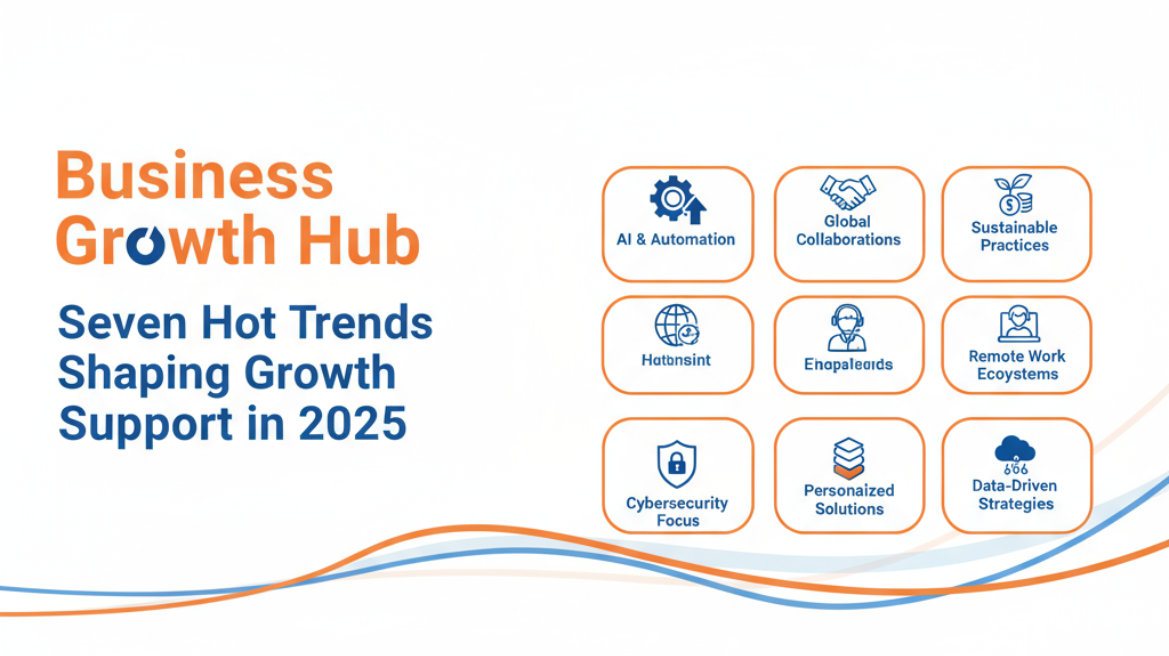
The cloud is where contemporary organization infrastructure lives. Key factors organizations are deepening cloud dedications: Pay-for-use rates keeps overhead lowInstant scaling during need spikesBuilt-in redundancy protects organization continuityGlobal access supports distributed and remote teamsFor leaders preparing international development, cloud platforms get rid of the barriers that when made expansion slow and costly.
Ransomware, phishing, and information breaches now cost companies millions, along with something harder to restore: trust. What a security-first approach looks like in 2026: Protection developed into systems at the style stage, not added laterRegular audits and penetration testingEmployee training on phishing and social engineeringClear incident reaction prepares evaluated before they are neededCompliance with data privacy regulations such as GDPR and local frameworksNon-compliance brings monetary charges and public consequences.

Latest Posts
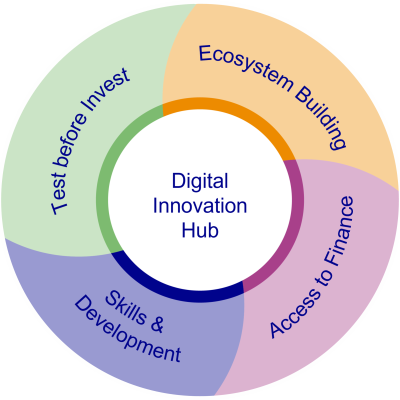
Aligning IT Efforts With Modern Innovation Cycles
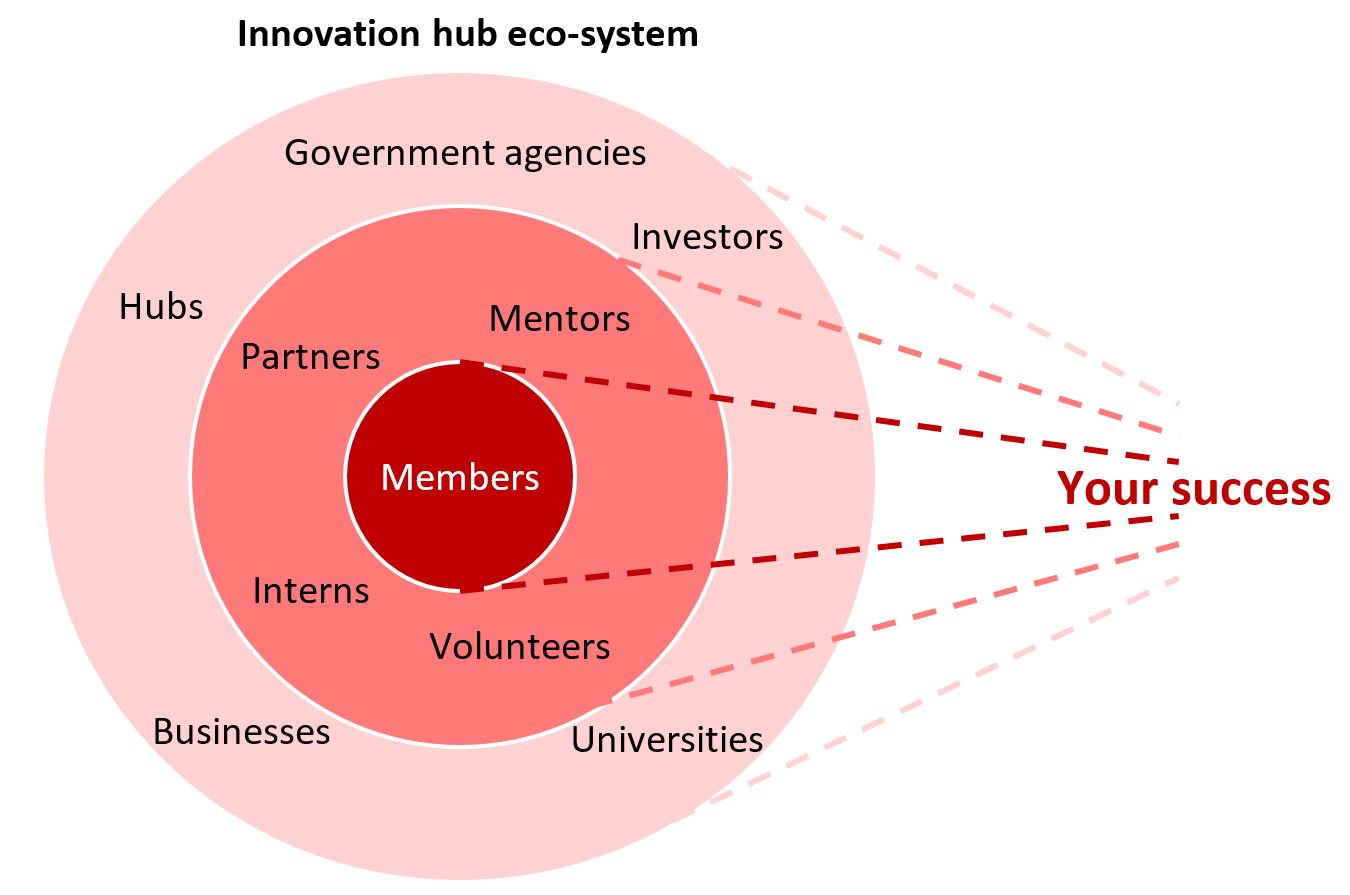
Comparing Traditional R&D and Agile Tech Cycles

Key Digital Transformation Guides for 2026 Success