All Categories
Featured

Designing Smart Infrastructure for Future Scale
Table of Contents
Sustainability is no longer a PR initiative. In 2026 it becomes a core operational technique, driven by energy expenses, supply chain expectations, and regulative pressure. Businesses will purchase low-energy data centres, carbon-aware cloud work, and full lifecycle exposure of their IT estate. Scalable ESG reporting tools will assist organisations demonstrate measurable progress to stakeholders.
As organisations accumulate information from IoT gadgets, SaaS applications, consumer systems and AI engines, the genuine obstacle becomes interoperability. Fragmented datasets create inaccuracies, compliance risks, and slow decision-making. In 2026, businesses will prioritise: Unified data governance frameworks Enterprise-wide metadata mapping Standardised APIs throughout key systems Tidy, top quality datasets for AI intake Those that invest in robust governance today will gain a major advantage when releasing the next wave of intelligent automation.
In 2026, organisations create their digital offices around experience rather than basic gain access to. The focus moves from allowing remote work to optimising it.
Strategic Insights for Modernizing Cloud Infrastructure
Cloud strategy is starting to carry more weight in the tech market. It is no longer only about migration, scale, or expense. As services rely more greatly on AI, proprietary data, and linked systems, cloud choices are ending up being more closely connected to manage, versatility, and durability. That shift comes through clearly in the source material.
It also states cloud is ending up being the operational foundation for AI and AI-assisted applications, instead of remaining in the background as a passive facilities layer. These signals show wider cloud computing patterns where infrastructure is ending up being more tactical and less transactional. There is also a stronger market signal behind this shift.
Gartner likewise frames geopatriation as the relocation toward sovereign or local cloud companies to minimize geopolitical risk. Taken together, these shifts show why sovereign cloud adoption USA is ending up being more relevant as organizations try to find greater control and connection. For organizations, this implies cloud choices are starting to carry more tactical weight.
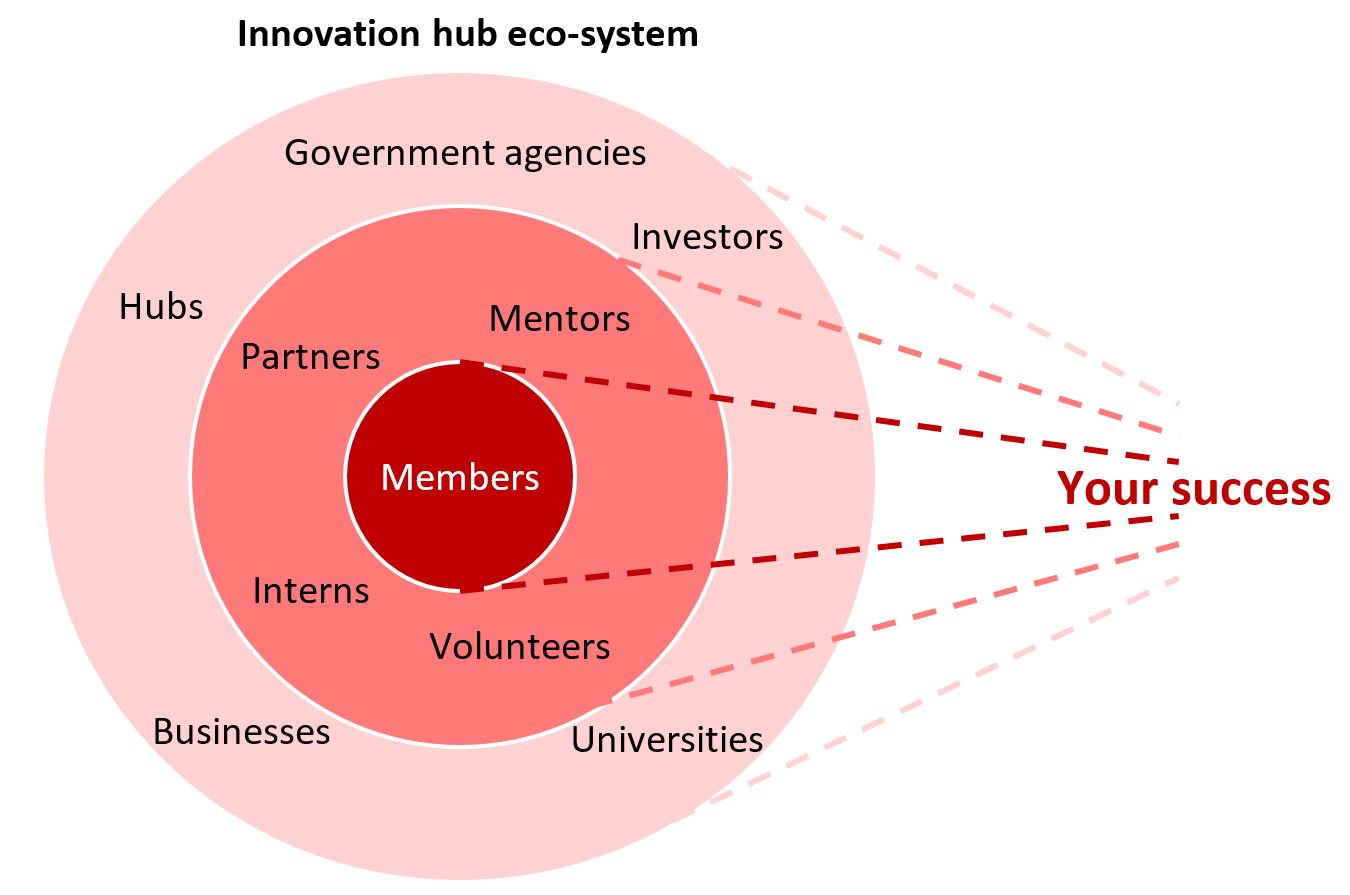
Ways to Build High-Performance Innovation Hubs
Develop your app like a PRO. Nail everything from that first lightbulb minute to the very first million.
As business step into 2026, technology is no longer just an enabler, it's a definitive service differentiator. Quick advancements in AI, cloud, cybersecurity, and facilities are improving how organizations run, compete, and scale. For enterprise leaders, the obstacle isn't just adopting new technologies, however embracing the right ones with clarity, function, and long-lasting vision.
Enterprises are progressively embracing to stabilize efficiency, expense, security, and regulatory requirements. Secret drivers consist of: Data residency and compliance requires Workload-specific efficiency optimization Preventing supplier lock-in Business continuity and strength Embrace unified cloud management, focus on interoperability, and enhance cloud expense governance (FinOps).
Ways to Accelerate Enterprise Tech Transformation in 2026Core concepts include: Never trust, always validate Continuous authentication and authorization Least-privilege gain access to Identity-centric security Re-architect security around identity, endpoint exposure, and constant tracking rather than relying solely on network defenses. As data generation explodes at the edge, through IoT devices, clever facilities, and real-time systems, processing data closer to the source is becoming vital.

Manual IT operations are being replaced by. Enterprises are leveraging automation for: Infrastructure provisioning Event detection and resolution Patch management Service orchestration Combined with AI, automation is driving faster resolution times, reduced downtime, and lower operational costs. Standardize processes, purchase automation platforms, and upskill IT teams to handle and optimize automated environments.
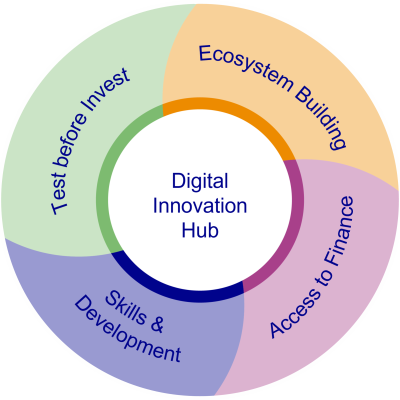
Maximizing ROI through Smart Digital Hubs
Strong EA assists business: Reduce innovation sprawl Enhance scalability and agility Make notified investment decisions Handle tradition modernization successfully Deal with business architecture as a continuous discipline, carefully aligned with leadership, method, and governance. Ecological responsibility is becoming a board-level top priority. Enterprises are under pressure to decrease carbon footprints across IT operations, including: Energy-efficient information centers Cloud sustainability reporting Optimized workloads Hardware lifecycle management Step IT energy intake, choose sustainable suppliers, and incorporate sustainability objectives into IT strategy.
Ways to Accelerate Enterprise Tech Transformation in 2026The "one-cloud-fits-all" technique is officially outdated. Enterprises are increasingly adopting to balance efficiency, cost, security, and regulatory requirements. Secret chauffeurs include: Information residency and compliance needs Workload-specific efficiency optimization Avoiding supplier lock-in Service continuity and resilience Adopt merged cloud management, concentrate on interoperability, and enhance cloud cost governance (FinOps). With increasing cyber hazards, remote labor forces, and distributed systems, perimeter-based security designs are no longer reliable.
Core concepts consist of: Never ever trust, constantly verify Continuous authentication and permission Least-privilege gain access to Identity-centric security Re-architect security around identity, endpoint exposure, and continuous tracking instead of relying solely on network defenses. As data generation explodes at the edge, through IoT gadgets, wise infrastructure, and real-time systems, processing data closer to the source is ending up being crucial.
Manual IT operations are being replaced by. Enterprises are leveraging automation for: Facilities provisioning Incident detection and resolution Spot management Service orchestration Integrated with AI, automation is driving faster resolution times, decreased downtime, and lower functional costs. Standardize processes, purchase automation platforms, and upskill IT groups to manage and optimize automated environments.
Designing Smart Systems for Future Scale
Strong EA helps enterprises: Reduce technology sprawl Improve scalability and agility Make informed financial investment decisions Handle legacy modernization successfully Deal with enterprise architecture as a constant discipline, closely lined up with management, method, and governance. Ecological responsibility is becoming a board-level priority. Enterprises are under pressure to lower carbon footprints across IT operations, consisting of: Energy-efficient information centers Cloud sustainability reporting Optimized workloads Hardware lifecycle management Step IT energy intake, choose sustainable suppliers, and integrate sustainability objectives into IT technique.

Latest Posts
Aligning IT Efforts With Modern Innovation Cycles
Comparing Traditional R&D and Agile Tech Cycles

Key Digital Transformation Guides for 2026 Success