All Categories
Featured
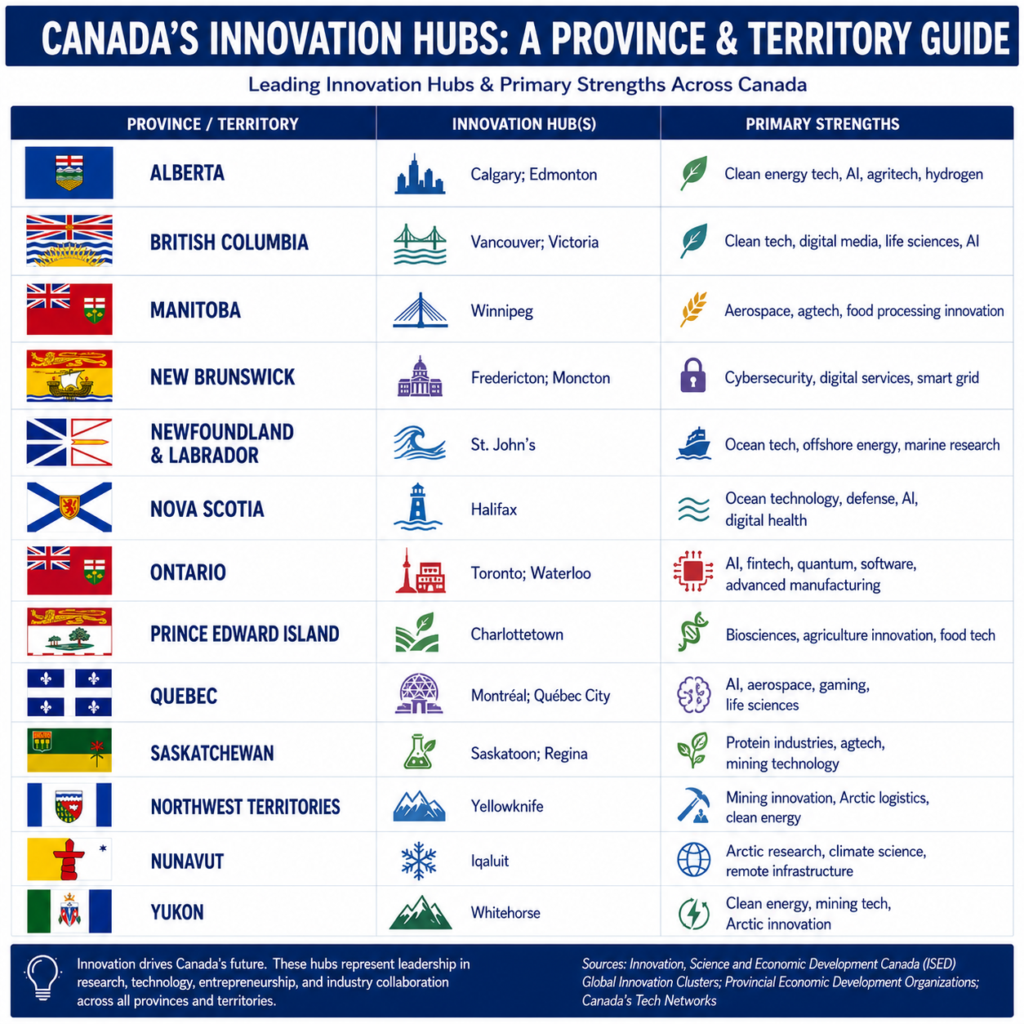

How Innovation Hubs Drive Enterprise Growth
Table of Contents
Companies need to evaluate cloud providers based upon factors such as dependability, security, scalability and cost. Leading cloud management platformssuch as Amazon Web Services (AWS), Microsoft Azure and Google Cloud Platform (GCP)use a vast array of services and functions to fulfill different organization needs, from cloud networking to information security. It is important to examine each provider's offerings and choose one that lines up with a business's objectives and requirements.
The categories of service are as follows: Examples consist of Google Workspace, Dropbox, Salesforce, Cisco Webex, Concur and GoToMeeting. Examples consist of Amazon Web Solutions (AWS) Elastic Beanstalk, Windows Azure, Heroku,, Google App Engine, Apache Stratos and Red Hat OpenShift.) Examples include DigitalOcean, Linode, Rackspace, AWS, Cisco Metapod, Microsoft Azure and Google Compute Engine (GCE).
Migrating to the cloud includes several key steps: Evaluate the current IT facilities, applications and work to identify cloud readiness. Establish a comprehensive migration plan (consisting of timelines, resource allocation and risk management methods). Conduct pilot tests to determine possible concerns and improve the migration procedure. Execute the migration plan, making sure very little disturbance to business operations.
The cloud's innovation horizon continues to expand as the general technological landscape grows. There is a limitless supply of interesting principles that will affect the way cloud computing continues to improve the industry. Numerous emerging technologies are poised to direct the future of cloud computing: Cloud platforms are significantly incorporating AI and ML capabilities, enabling companies to construct smart applications and automate procedures.
Smart Infrastructure and a Future of Corporate R&D
Serverless architecture permits companies to run applications without handling the underlying infrastructure, decreasing operational intricacy and expenses. While still in its early stages, quantum computing has the prospective to solve complex issues that are beyond the abilities of classical computer systems, opening brand-new opportunities for innovation. As businesses increasingly count on cloud computing, data defense and cloud compliance problems stay important concerns.
Companies need to execute finest practices for cloud security, such as data encryption, access controls and routine security audits. Remaining notified about progressing security threats and regulative requirements is vital for keeping a protected and certified cloud environment. A variety of cloud computing case research studies have actually proven the efficiency of this highly versatile computing tool.
A high-profile example of this impact is Siemens' collaboration with Amazon Web Provider (AWS) to implement a cloud-based option for enhancing alert management. The results showed favorable on lots of levels, from reducing power plant signals by 90%, which lessened operational noise, to accomplishing expense savings by leveraging the pay-as-you-go model of AWS servicesamong many other benefits.
Sustaining High-Performance Innovation OperationsThe Modern Roadmap for Digital Transformation Success
By comprehending the benefits, executing strategic methods and remaining ahead of emerging patterns, companies can take advantage of cloud innovations to accomplish their objectives. Whether it's enhancing cooperation, decreasing expenses or accelerating development, cloud computing provides the tools and infrastructure needed to succeed in the digital age. As you think about integrating cloud options into your service strategy, bear in mind that picking the right cloud supplier and following a structured cloud migration process are important for success.
For instructional leaders and striving professionals looking to deepen their understanding of cloud computing and its effect on business, Park University's Master of Science in Information Systems and Organization Analytics offers thorough courses and resources. Check out how cloud computing can change your organization and enhance your strategic preparation abilities. Furthermore, find out how our master's degree program might help you advance your career.
In today's fast-evolving digital age, has actually moved beyond being a technological upgrade it's now a core driver of business growth, strength, and development. As companies throughout industries accelerate their digital improvement efforts, the dependence on has never been higher. Organizations are moving far from stiff, on-premise infrastructure and turning to the cloud to unlock new efficiencies, boost dexterity, and future-proof their operations.
The Modern Blueprint for Digital Transformation Success
Whether you're a growing startup or a massive business, the right can assist simplify your digital facilities, scale your applications easily, and adjust rapidly to market demands. But here's the challenge: the international cloud landscape is saturated with hundreds of vendorseach claiming to use the very best services, pricing designs, and technologies.
That's why we've curated this detailed, tailored particularly for business wanting to adopt or enhance their cloud technique in 2026. In this blog site, you'll find the top-performing, crucial offerings to search for, and expert insights to assist you choose the best cloud partner for long-lasting success. Explore the redefining business solutions in 2026 and beyond.
Sustaining High-Performance Innovation Operations
These services supply organizations with flexible access to powerful IT resourcessuch as servers, storage, databases, networking, software application, and analyticswithout the requirement to buy physical facilities. They are normally offered by on a pay-as-you-go basis, allowing companies to scale effectively, decrease operational expenses, and stay agile in today's competitive landscape.

Latest Posts
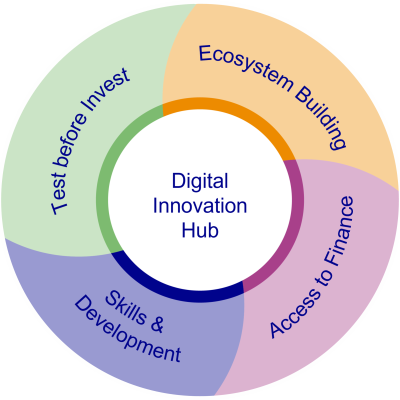
Aligning IT Efforts With Modern Innovation Cycles
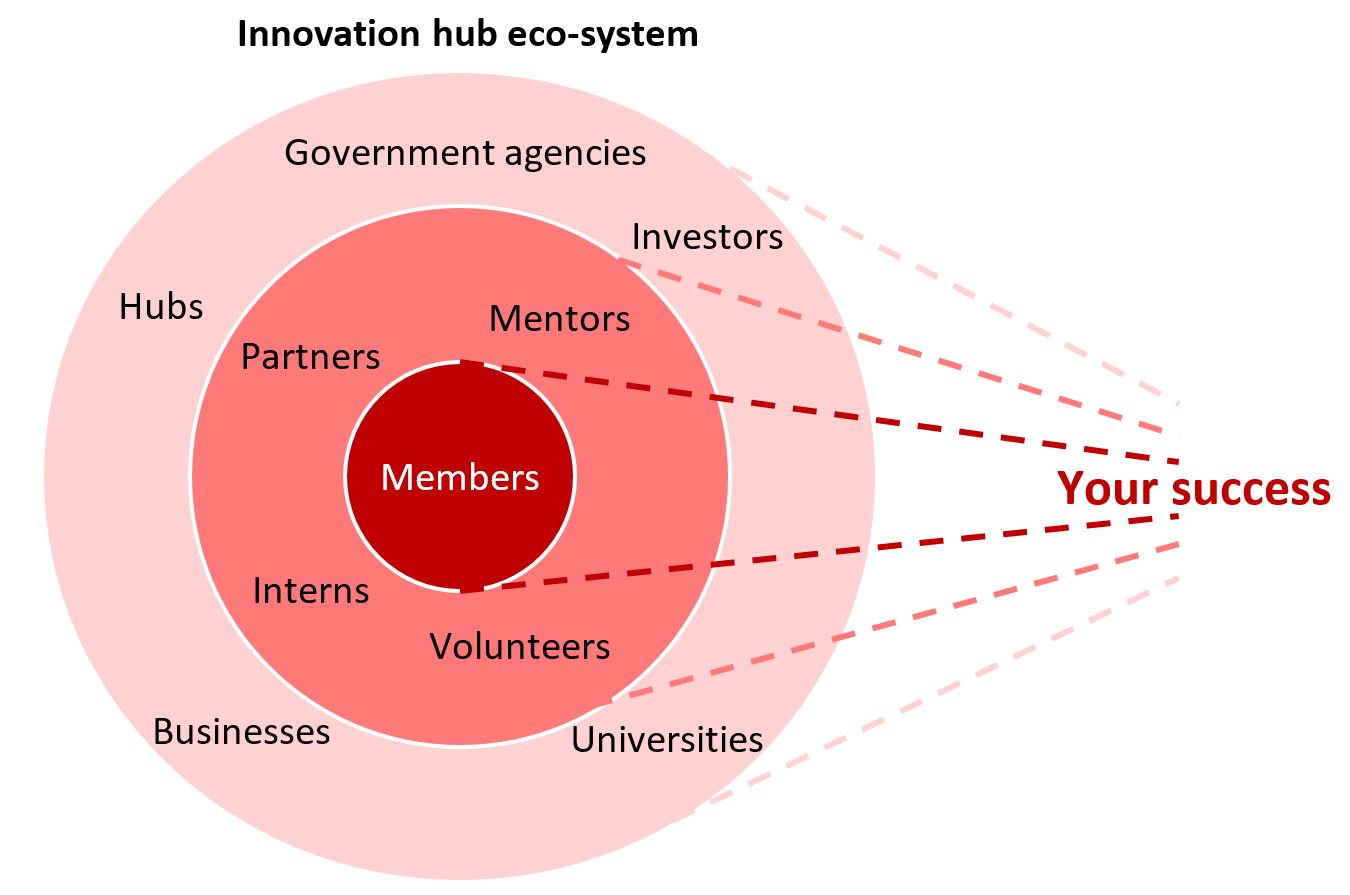
Comparing Traditional R&D and Agile Tech Cycles

Key Digital Transformation Guides for 2026 Success